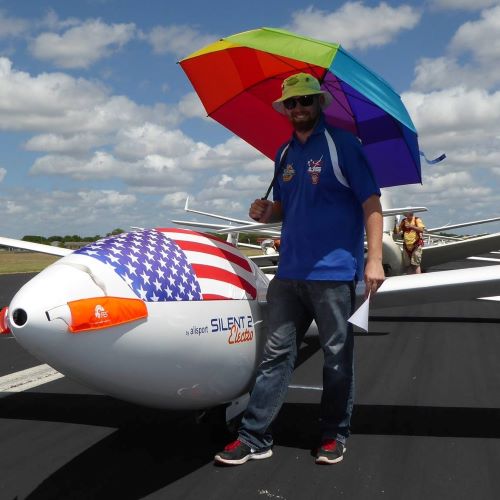
Tony Condon is as an ATP and corporate pilot who also serves as the president of the Kansas Soaring Association, headquartered at Sunflower Gliderport. We sat down and talked about long-distance cross-country soaring.
Tony Condon is as an ATP and corporate pilot who also serves as the president of the Kansas Soaring Association, headquartered at Sunflower Gliderport. We sat down and talked about long-distance cross-country soaring.
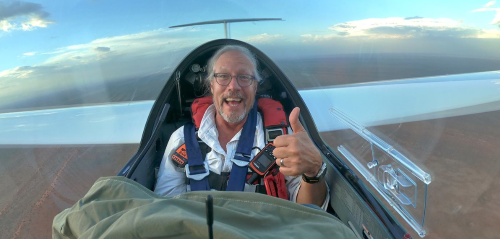
John Harte is the chief instructor at Sandhill Soaring Club in Gregory, Michigan, just a few miles down the road from Hell. (Hell, Michigan, that is.) He’s the guy responsible for the hard left turn into gliders that I took in 2012, including obtaining my glider rating (Part 1 and Part 2), becoming an airshow pilot, and ultimately becoming a glider instructor. He has also flown extensively with FOD, giving him instruction in glider operations and formation flying.
John and I sat down on a recent evening in our respective sequestered locations and talked about gliders, John’s path in aviation, his trips to Bitterwasser to fly above the Kalahari Desert, and airshow operations.
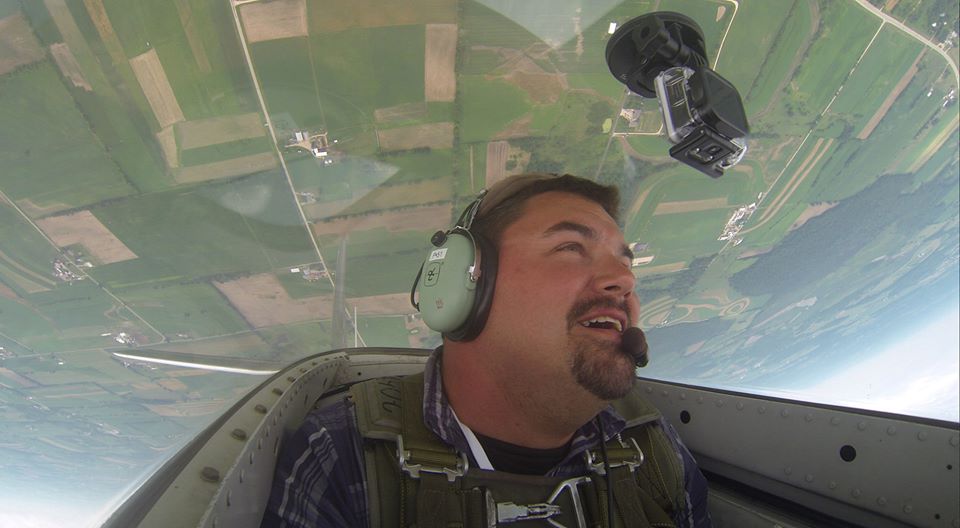
We’re all sequestered in our homes due to the SARS-CoV-2 pandemic. That’s bad. But it means that a number of the original aviation podcasters are a little more available than they might otherwise be and that’s good.
So I called up Kent Shook of The Pilotcast and we recorded a little more than an hour of hangar flying. We caught up from a few years of not hanging out much, which was pretty cool.
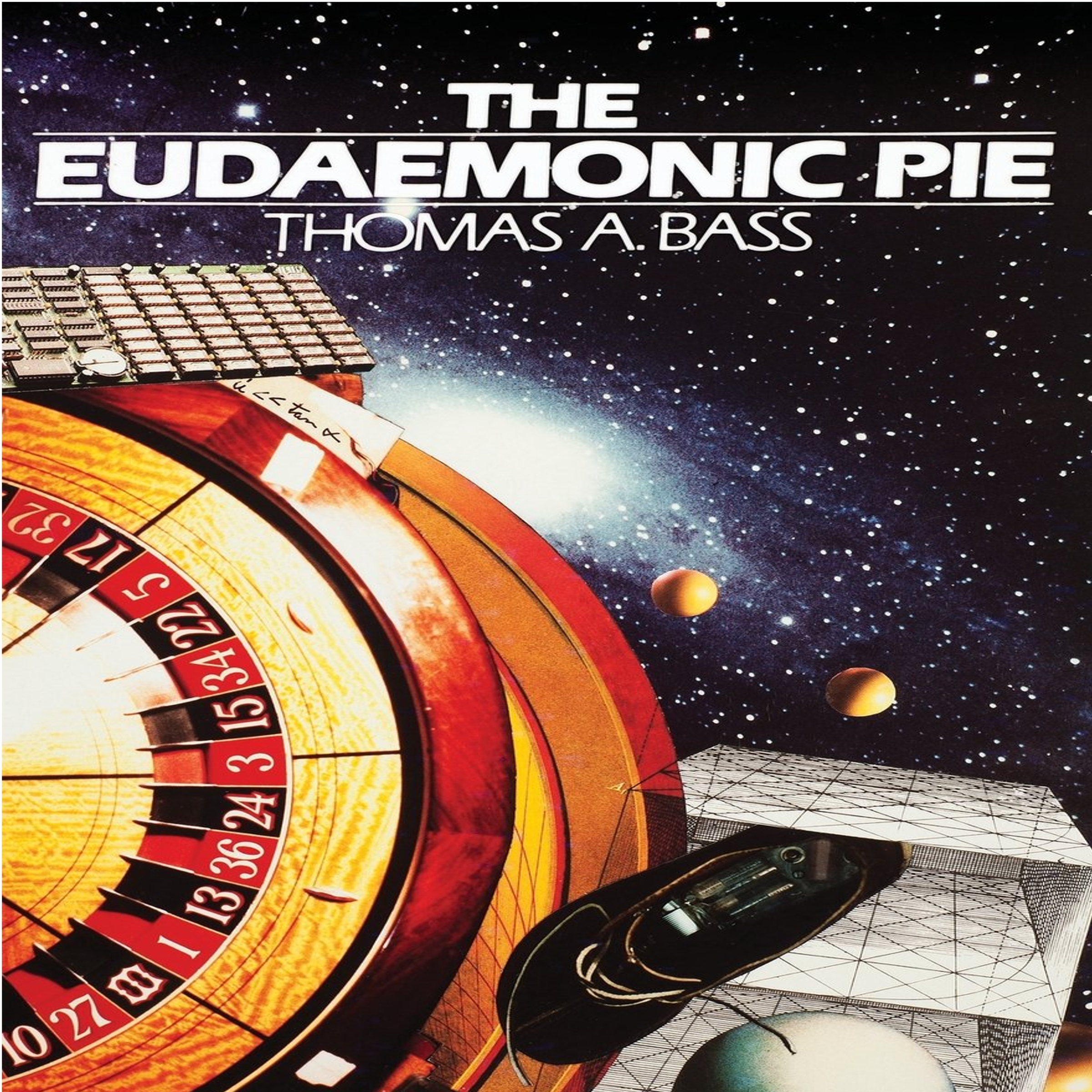 It’s up! My first effort as an audiobook narrator, The Eudaemonic Pie by Thomas A. Bass, is available for purchase through Audible, Amazon, and iTunes. You can listen to the entire prologue of the book in the episode here:
This is a story of the very early days of personal computing. It’s the late 1970s in Santa Cruz. Intel has just recently released the CMOS processor – the first “computer on a chip.” The Homebrew Computer Club, just an hour up the road, is putting together the early basis for what became Apple. The air is electric in more ways than one. A band of physicists, artisans, artists, and adventurers decides that the game of roulette can be beaten. Not by reaching out and affecting the game, but by deducing the Newtonian equations that govern the game and then using computers embedded in their shoes to play the game in the computer’s brain at hyperspeed to predict in advance where the ball will land.
To be sure, this is a story of going to Las Vegas to do battle with the casinos. But, much more importantly, this is the story of the democratization of computing and the very birth of the hacker culture. And, even though the book came out more than 30 years ago, it remains astonishingly relevant – you could almost change the names of the computer chips and restaurants in the story and have it read like it came out yesterday. I’m honored that Thomas trusted me with this story. We worked closely to make the audiobook carry the energy and inspiration of the story. Thomas tells me that I managed to do it. I hope that you think so, too.
The read is dedicated to Bill and Barbara Tozier (who have been my spirit animals and guides to ways of thinking about information and people for 15 years) and David Fry, the tech entrepreneur whom I most admire.
Want to catch the spirit of this story and provide an incentive to get more stories like this into audiobook form? Here’s how.
(1) If you’re not already an Audible subscriber, please sign up for a free trial using the URL http://www.audibletrial.com/AIRSPEED. You sign up for a free trial on Audible and pick The Eudaemonic Pie as your first selection. The show gets a few bucks from Audible for your free trial sign-up and the author and the show splits a bounty when you pick our book as your first selection.
(2) If you’re already an Audible subscriber, buy The Eudaemonic Pie just like you would any other audiobook. The show gets a little taste of Audible’s revenues associated with your purchase.
Thanks for supporting efforts that bring important and inspiring stories to you!
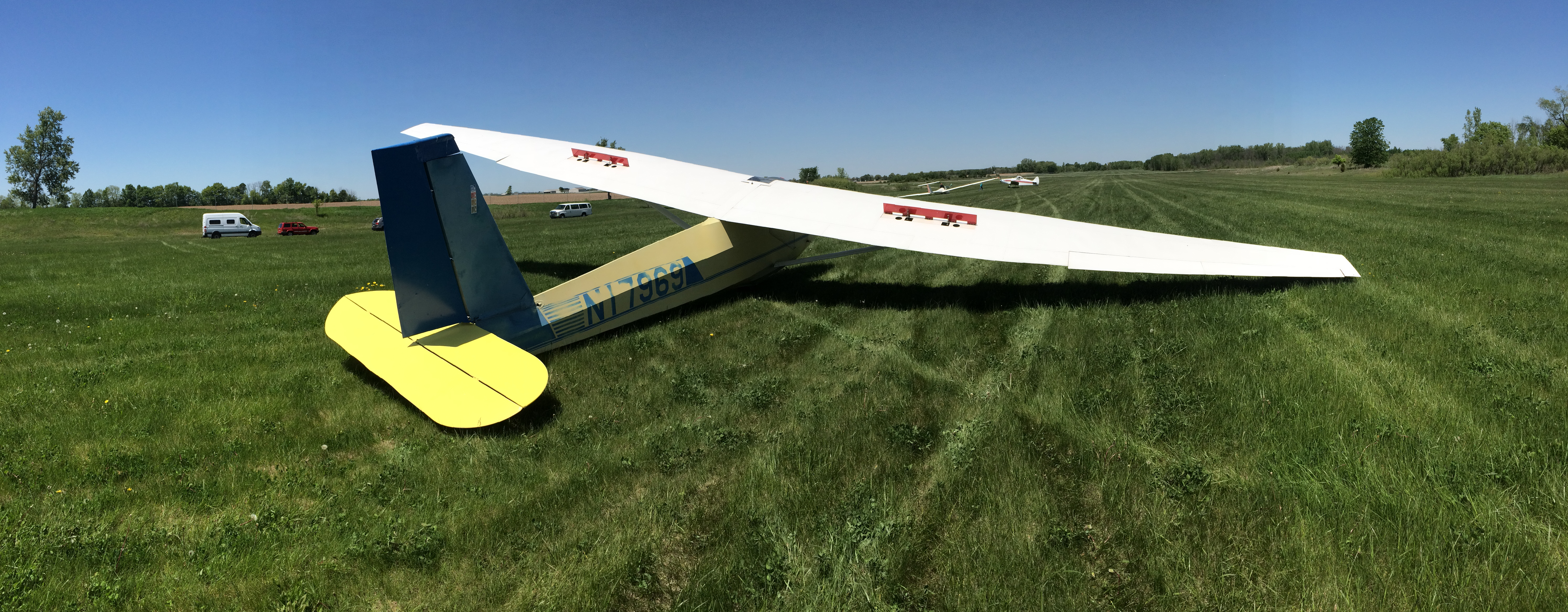
This is a two-part presentation, but I wanted to keep everything in one place. Accordingly, I’ll put links to both audio parts here as they’re released.
Part 1:
Part 2:
If you follow me anywhere on social media, you’ll know that I recently completed the Herculean effort of becoming a certified flight instructor (or “CFI”) in the glider category.
I first started flying gliders in 2012 when my friend, and later instructor, John Harte, invited me to go fly a motorglider after a haircut that I had scheduled in Detroit one Saturday. By the second time we flew, I was training for the rating. Four months later, I was a commercial glider pilot and, six months later, I flew my first airshows as a performer in the same aircraft. Since then I’ve logged more than 200 hours in motorgliders, more than half of that in formation.
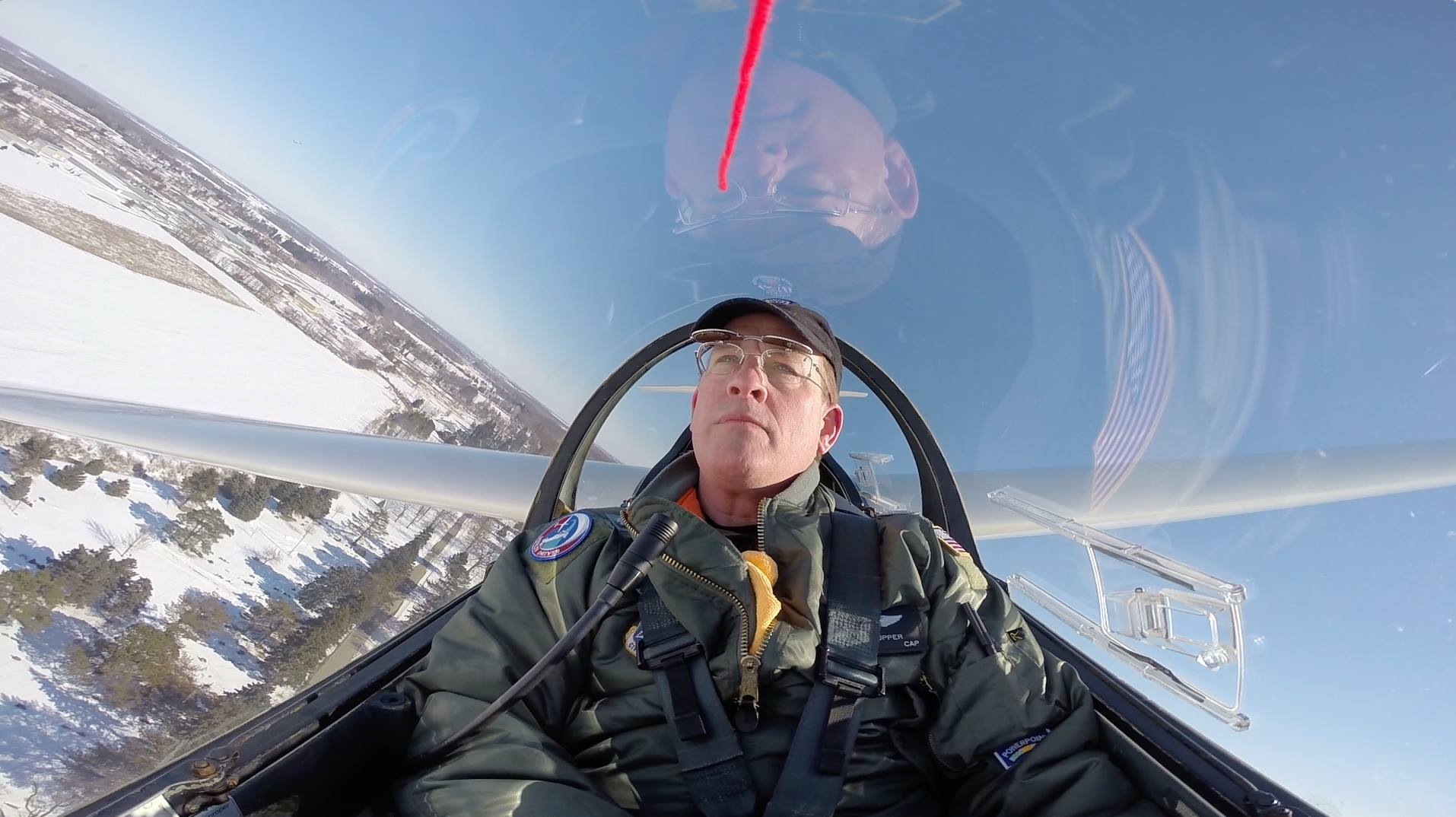
Through the kind efforts of Mark Grant, Chris Felton, and others in the Civil Air Patrol, I even added an aerotow endorsement so that I could fly gliders that had no onboard powerplants. I earned that one after about 20 tows, most of them conducted in Owosso, Michigan in single-digit Fahrenheit temperatures where you had to close the canopy and hold your breath until you had airflow through the window on takeoff so you wouldn’t completely frost the inside of the canopy. If you earn an aerotow endorsement in Michigan in the winter, you have well and truly worked for that endorsement.
And then, like the urge of Ishmael to get to sea, I began to feel the urge to do the next big thing. Certainly, there are plenty of challenges that could have been that next big thing. I really ought to add both single- and multi-engine airplanes to my commercial certificate.
But a number of things pushed me to go for the CFI. I’m very broad in aviation, but not very deep. Until I started flying gliders, I could fly a lot of stuff, but only with private privileges. I did my glider checkride at the commercial level simply because the practical test standards are about the same for private vs. commercial and the only other requirements are the knowledge test and a more comprehensive oral during the checkride. (Written test and comprehensive oral? Oh, please don’t throw me in that briar patch!) So the idea of taking a single category of flying all the way to CFI appealed to me.
I have a son who was getting close to turning 14 at the time. His name is Nicholas, but most of you know him by his callsign, “FOD.” He has about 30 hours bumming around in the TG-7A with me, most of it sitting there in the instructor seat while I fly. 14 is an important age for someone who flies gliders because that’s the age at which you can solo. And it doesn’t matter that the aircraft has an engine and a propeller. If it’s certified in the glider category, you can solo it at 14. I decided that it was not enough to just fly around with him or teach him without having the CFI in my pocket. I wanted to take him to a real CFI for the solo and the checkride.
Lastly, I had always thought that instructing would be fun and that I’d become a much better pilot if I did it. During the DC-3 rating, I had the chance to sit in the back and watch somebody else fly under circumstance where I could just watch and think about flying. That was one of the most productive experiences I’ve ever had in flight training. I couldn’t help but think that being able to really observe and critique would make me a much better pilot.
So, last spring, I decided to go for the instructor certificate. This is the story of that journey.
[Read more...]

Airspeed, LLC
620 Wilshire
Bloomfield Hills, Michigan 48302
Phone: (248) 470-7944
e-mail:steve@airspeedonline.com
Subscribe via RSS
 RSS - Posts